Feb 17, 2026 | Recipient Stories
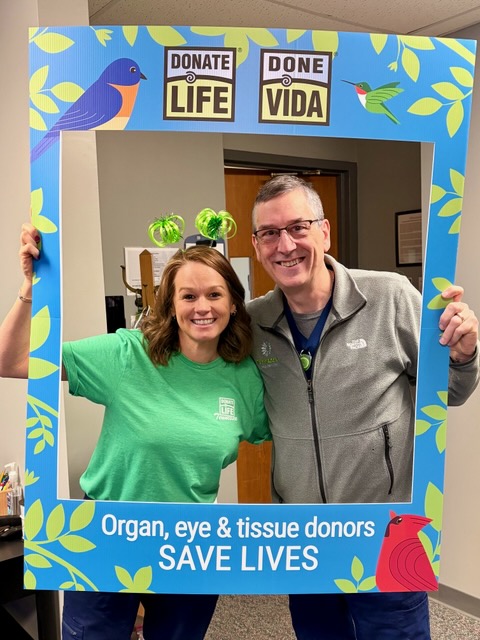
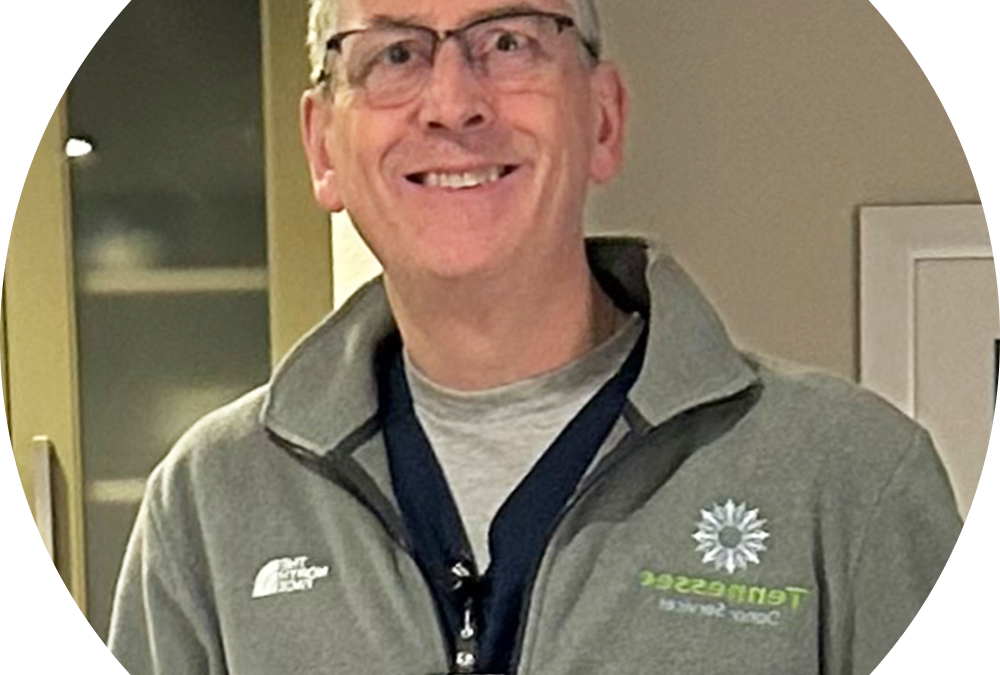
Jim during Donate Life Month 2025
For nearly 15 years, Jim has lived with chronic eye disease.
At 39 years old, during a training in Middle Tennessee, his vision suddenly changed. “All of a sudden, my vision got digitized, it was scary,” he recalled.
Within days, he learned his eye pressure was dangerously high. What followed was a long journey of uncontrolled glaucoma, multiple surgeries and mounting complications.
Over the years, Jim underwent 11 eye surgeries, including cataract procedures and the placement of three drainage devices in each eye. For Jim, doctor visits became routine, sometimes monthly, sometimes multiple times in a week often requiring a two-hour drive to see a specialist.
“It just became something I lived with,” Jim said. “Kind of like a thorn in my side for 15 years.”
Eventually, the strain on his eye led to corneal failure. At first, the symptoms were manageable. But over time, his vision grew cloudy and blurry. Light became painful. Driving at night was difficult. In the final month before transplant, the pain intensified and daily tasks became exhausting.
“I was barely seeing out of my left eye,” he said. “That last month was pretty horrible.”
When his physician recommended a cornea transplant, Jim agreed knowing it would likely not be his last due to the complexity of his case. Still, he was ready for relief and the hope of clear sight again.
Three days before surgery, he received the call that a donor cornea had been identified.
The moment carried deep meaning, not only because Jim was about to receive the gift of sight, but because of the work he does every day.
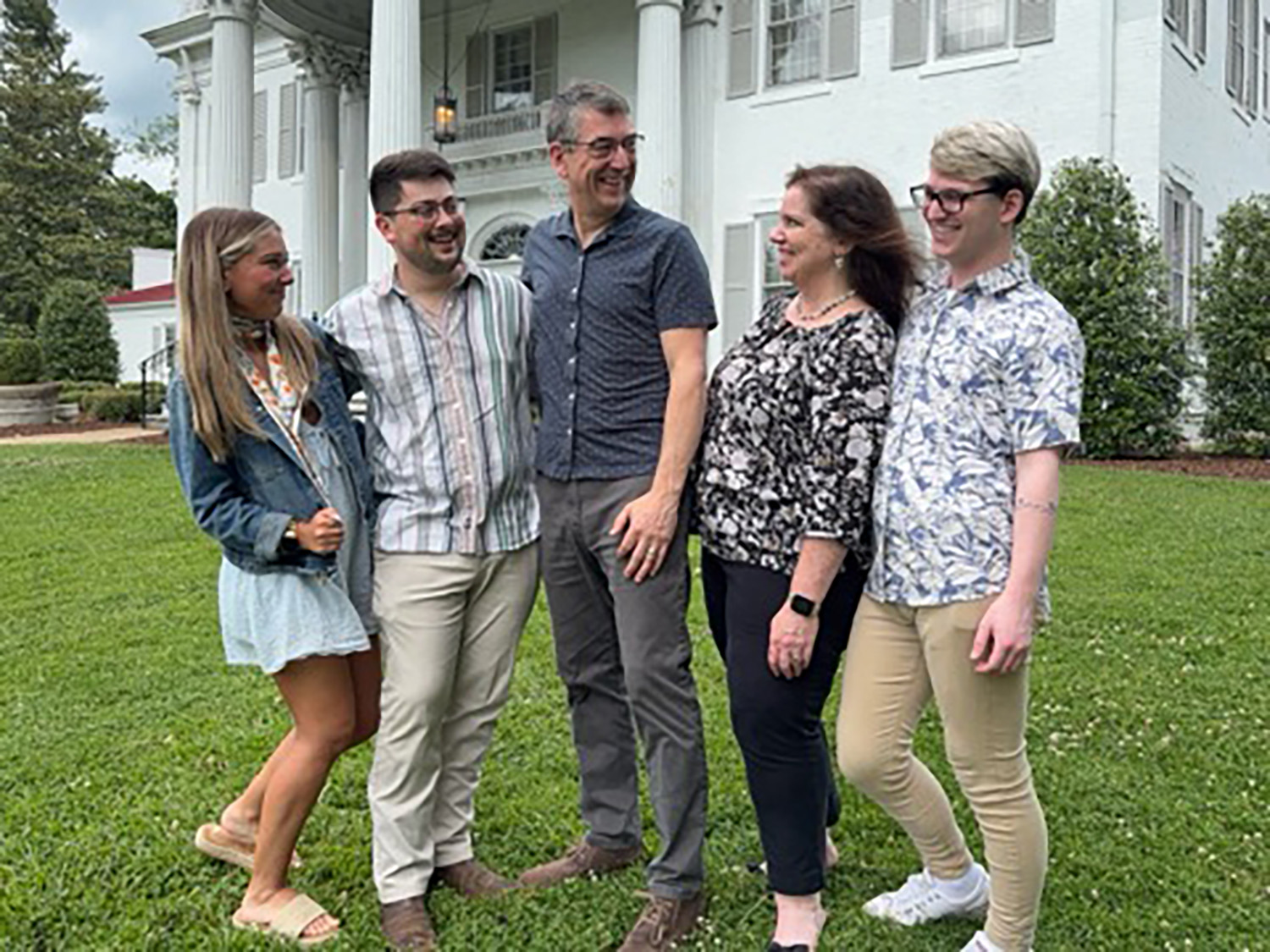
Jim with family
Jim serves as a Family Care Coordinator with Tennessee Donor Services, where he walks alongside families at the time of their loved one’s death, offering the rare and powerful opportunity for organ and tissue donation.
He understands the sacred balance of what he calls “dual advocacy” — caring fully for grieving families while also representing the unseen recipients whose lives hang in the balance.
“In those moments, I’m walking tenderly with a family through profound loss, while holding deep awareness of the recipients whose lives may be forever changed by that moment.”
When he learned a donor had been found for him, his first response was not only gratitude, it was compassion.
“I texted my family and colleagues and said, ‘Please keep the family of my donor in your thoughts. They’re walking through one of the hardest weeks of their lives.”
Cornea transplant surgery is performed while the patient is awake. During the procedure, Jim experienced an unexpected and emotional realization.
“There was this point in surgery,” he shared, pausing, “where I became aware that another person is now part of me.”
That awareness has stayed with him.
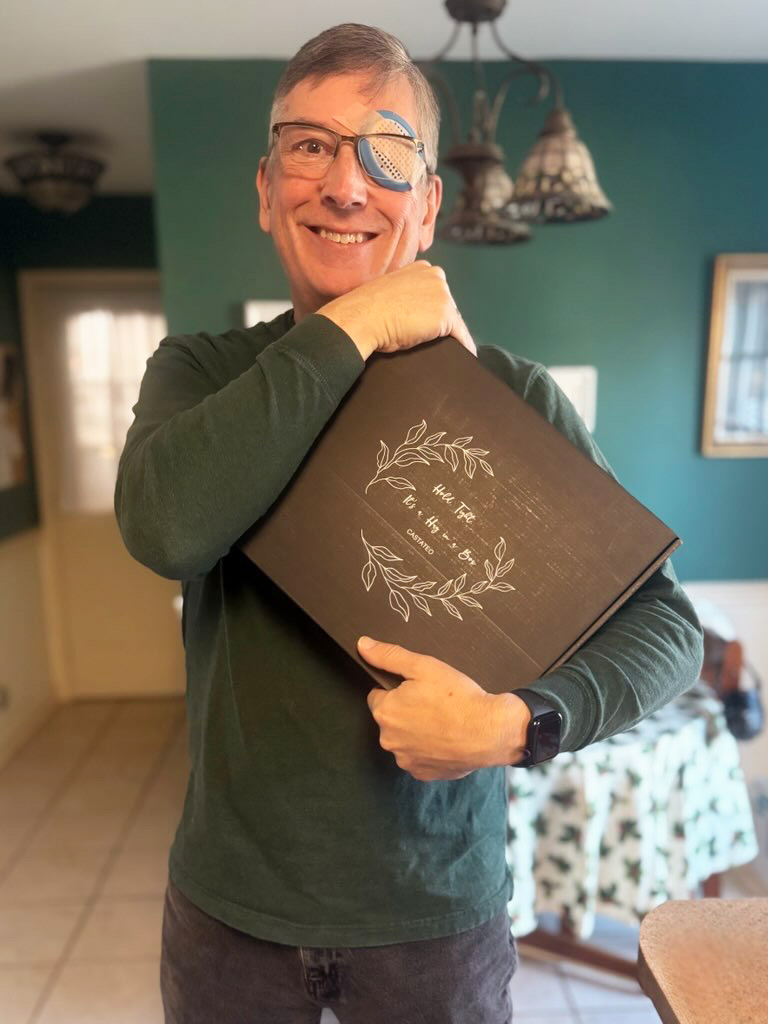
Jim after surgery
After surgery, he learned his donor was a 50-year-old woman from Kansas. Though he does not know her story, he thinks often of her family. Having walked with nearly a hundred families in donation conversations, he understands the weight of that decision.
“Pain doesn’t have to be wasted,” Jim said. “Donation becomes one of those ways meaning is found in the most horrific moments.”
Today, just a few months post-transplant, Jim is no longer living with the constant pain that once defined his days.
“I haven’t been in eye pain since the transplant, where I’d had it for years,” he said. “While my vision’s not 100% yet, but it’s not cloudy anymore. It’s life changing.”
His personal experience has deepened the way he approaches families in his professional role.
“Having needed a transplant myself has deepened the way I hold that balance,” he said. “In those moments, I’m mindful that I’m also carrying the voices of people whose lives may be changed by a donor’s gift.”
Jim hopes his story reminds others that donation is deeply human rooted in compassion, legacy and connection between strangers whose lives become forever intertwined.
“It’s absolutely life-changing,” he said. “Because of the selfless act of another person, either someone who registered or a family who said yes, I can work. I can see clearly. I’m not in pain. That matters.” For Jim, donation is no longer only the work he does. It is the gift he carries every single day.
Jun 6, 2025 | Recipient Stories
Sieglinde Vest
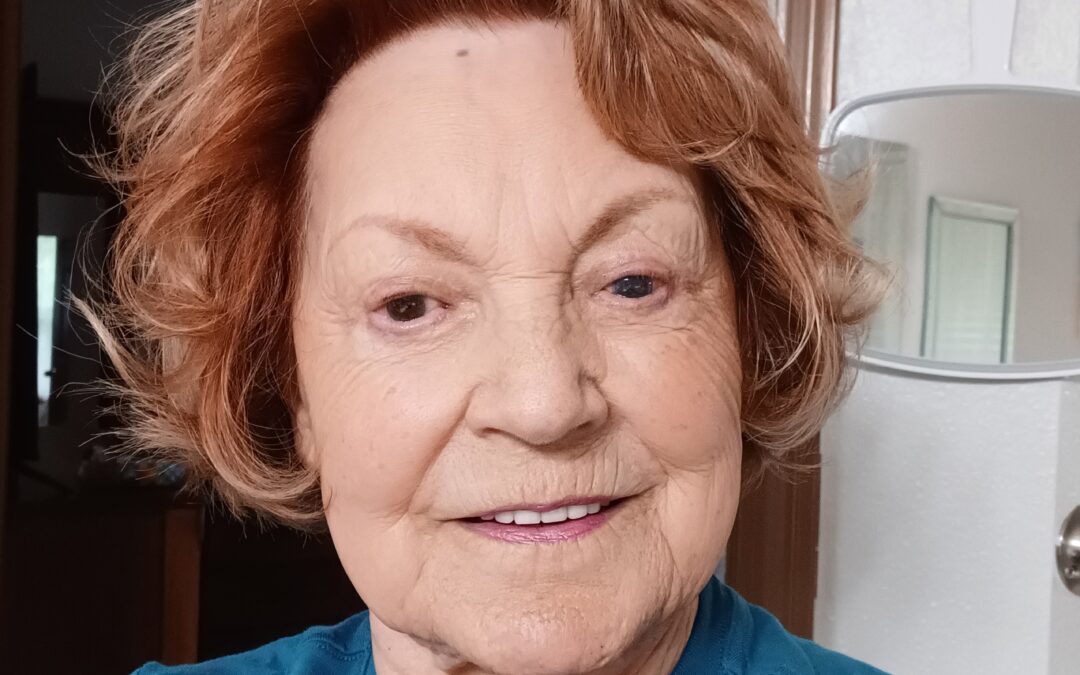
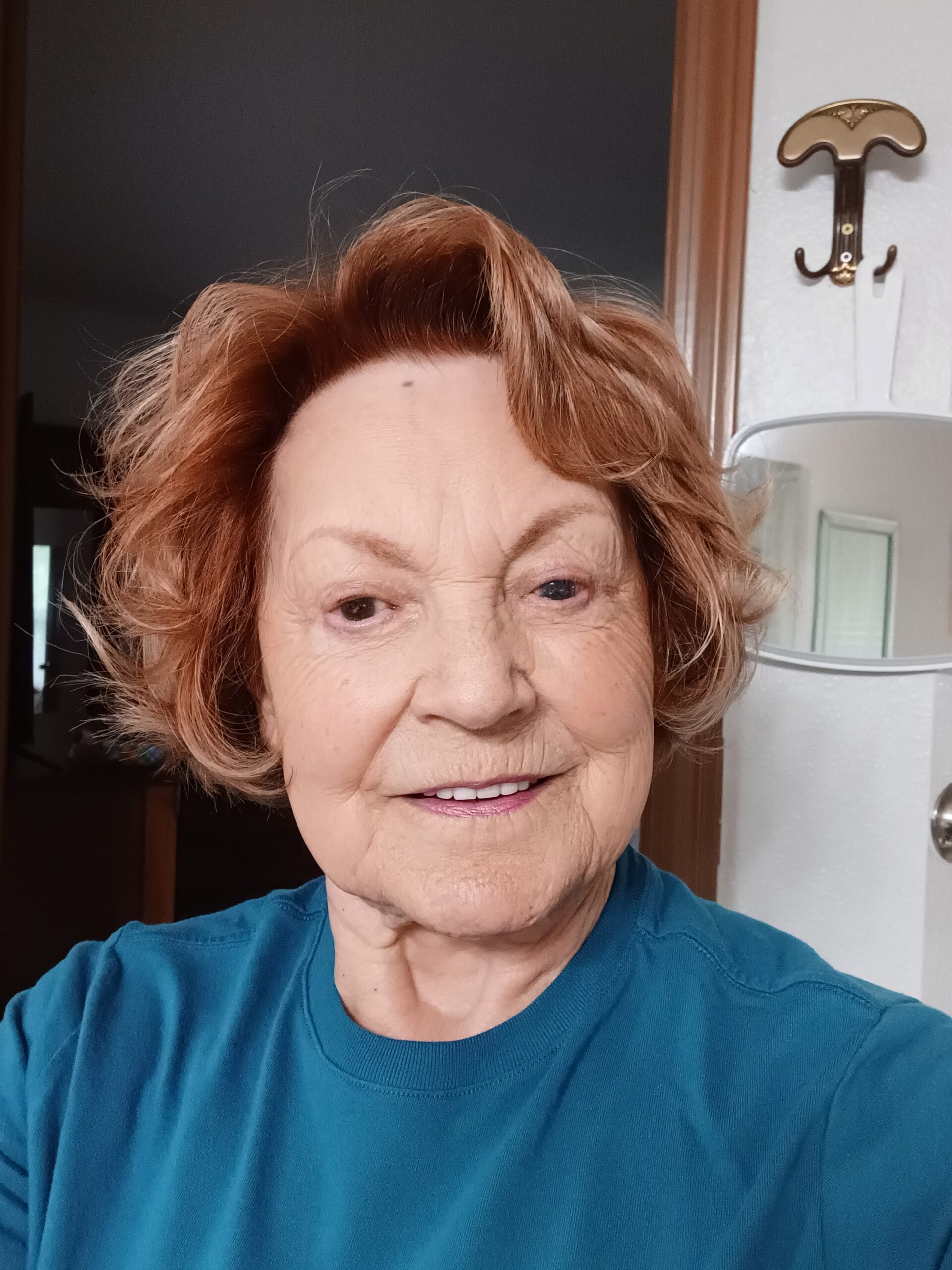
For months, Sieglinde had been living with excruciating pain and blurred vision in her right eye. “It got so bad I could hardly see straight out of my other eye,” she recalled. Sieglinde endured six months of deteriorating vision and persistent discomfort, trying various eye drops and treatments that offered no relief. After countless eye drops and appointments, she reached a breaking point just before the holidays. “I told my doctor, ‘You have to do something. I can’t take this pain anymore.” Her optometrist told her, “You need something done right away,” and referred her to Dr. Shachar Tauber, who confirmed she needed a cornea transplant immediately.
During her first appointment with Dr. Tauber, Sieglinde remembers asking, “Do you even have any corneas available?’ I thought I’d have to wait months,” she said. “He said, ‘Oh no, we have one right away.’ That was such a relief.”
Shortly after her first appointment, Sieglinde had her transplant surgery scheduled for Christmas Day. “I saw Dr. Tauber on Christmas Day—Christmas morning,” Sieglinde recalls. “I could hardly see out of my other eye, and he saved everything. I told him, ‘It’s a miracle.’ I mean, who does that? Come in at 6 a.m. on Christmas morning to save someone’s sight?” she said. “He’s forever in my heart.”
While she’s still undergoing treatment and hopes for continued improvement, Sieglinde is already thankful for what she’s gained. “The pain is gone, and I can see better than before. When your whole head feels like it’s floating, and then that pain lifts—well, that’s a miracle.”
Thanks to the generosity of a donor and the dedication of her surgeon, Sieglinde’s pain has subsided, and her vision is steadily improving. “I’m eternally grateful,” she shared. “To the family who gave this gift, I just want to say thank you. It’s wonderful that someone would donate so that someone else could see again. I am a donor, and I will do the same.”
Sieglinde’s story is a powerful reminder of the life-changing impact of eye donation. Through one selfless gift, her pain has lifted, her vision is returning, and her spirit is renewed. “I’ll always be thankful,” she said. “Because of my donor, I get to see the world again.”
Jan 13, 2025 | Recipient Stories
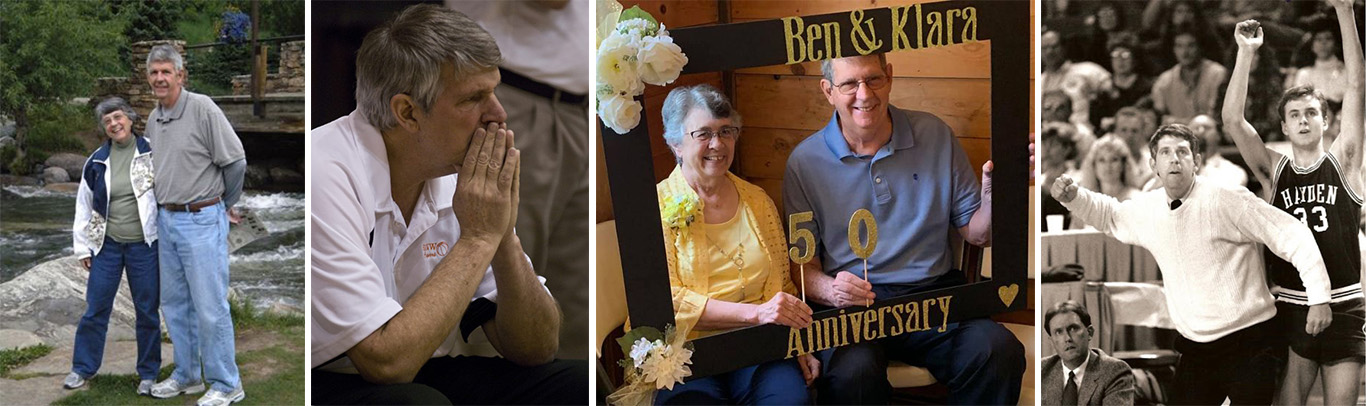
For Ben, life has been full of surprises—some tough, others miraculous. His journey as a triple transplant recipient is a testament to the power of eye, organ, and tissue donation and the generosity of others.
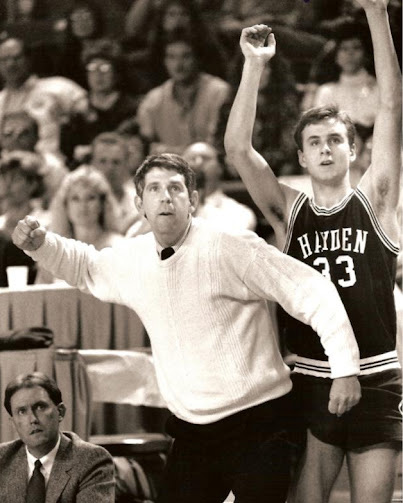
During his years as a high school teacher, cross-country coach, and basketball coach, Ben could tell he was slowing down during his runs. What he thought were knee problems slowing him down turned out to be a far more serious condition. Ben learned he had an enlarged heart, which was managed with medicine for nearly two decades. As time passed, Ben’s heart was getting worse. During a checkup at the University of Kansas Hospital in 2010, doctors told him his heart wouldn’t make it another six months without a transplant. Ben was sent to St. Luke’s Mid-America Heart Institute, and just a few months later, Ben received a life-saving gift: a new heart from a young man named Matthew, who, Ben later learned, was studying to be a teacher. Matthew’s life had been cut short in a tragic car accident, but his gift gave Ben a second chance at life. “It’s impossible to put into words what that gift means,” Ben says. Ben, his wife, and Matthew’s mom have stayed close over the years, becoming good friends.
Almost a decade later, another health challenge surfaced. This time, it was his kidneys. After some tests, Ben’s doctor told him his kidneys were damaged and they weren’t going to last much longer. After nearly three years on the transplant list, a new kidney became available, saving his life once again. Ben reached out and thanked the donor family, the same way he did when we received his heart but never received a response. Then, a few years ago, Ben sent them a bouquet of flowers on Thanksgiving, a small way of saying thank you, and they sent back a picture of his kidney donor, a young man named Mitchell. “I’ve written letters to the donor’s family, hoping they know just how much their loved one’s gift has meant to me,” he shares.
In 2023, Ben’s vision began to fade. It started gradually, with his eyesight slipping in ways he didn’t quite notice at first. Driving at night became harder, and the world around him grew blurry. When his eye doctor referred him to a specialist, Ben learned he needed cataract surgery. That news alone was a lot to process but then came something he didn’t expect: a partial cornea transplant. “It shook me,” Ben admits. “I’d already been through two transplants, but I wasn’t expecting to hear that word again— ‘transplant.’ After the cornea transplant, Ben wrote to his donor’s family, just like he had before, and received a heartfelt letter back. His donor’s name was Becky, and her family’s kindness left a lasting impression on him. “Every transplant is a miracle,” Ben says.
“These gifts change lives—they changed mine.”
For Ben, these gifts aren’t just about him. They’ve given him precious time with his family: his four children and 11 grandchildren. “I think about all the moments I would’ve missed,” he says. “I would’ve been gone easy if that hadn’t happened. I could have been blind in one eye if that hadn’t happened. None of it would’ve been possible without these donors. They didn’t just save me—they gave me more time with my family.”
After retiring from teaching 10 years ago, he joined the Gift of Life program in Kansas City, visiting high schools to share his story and teach students about the importance of eye, organ, and tissue donation. “I tell my story because people need to hear it,” he explains. “Donation doesn’t just affect the recipient. It’s a ripple effect that touches entire families.”
This year, Ben hopes to honor his three donors with three roses in the Rose Bowl Parade’s Donate Life float—a way to celebrate the gifts that have shaped his life. For Ben, it was a meaningful way to celebrate their selflessness and the profound impact their gifts had on him. “It’s not just about me,” Ben says. “Their donations saved my life, gave me back my sight, and allowed me to be here with my family. Honoring them on such a big stage felt like the least I could do.” Ben’s journey reminds us of the extraordinary impact one person can have on another. Every day he wakes up, he carries the legacy of Matthew, Mitchell, and Becky with him. For Ben, life—and sight—is a gift he’ll never take for granted.
Nov 6, 2024 | Recipient Stories
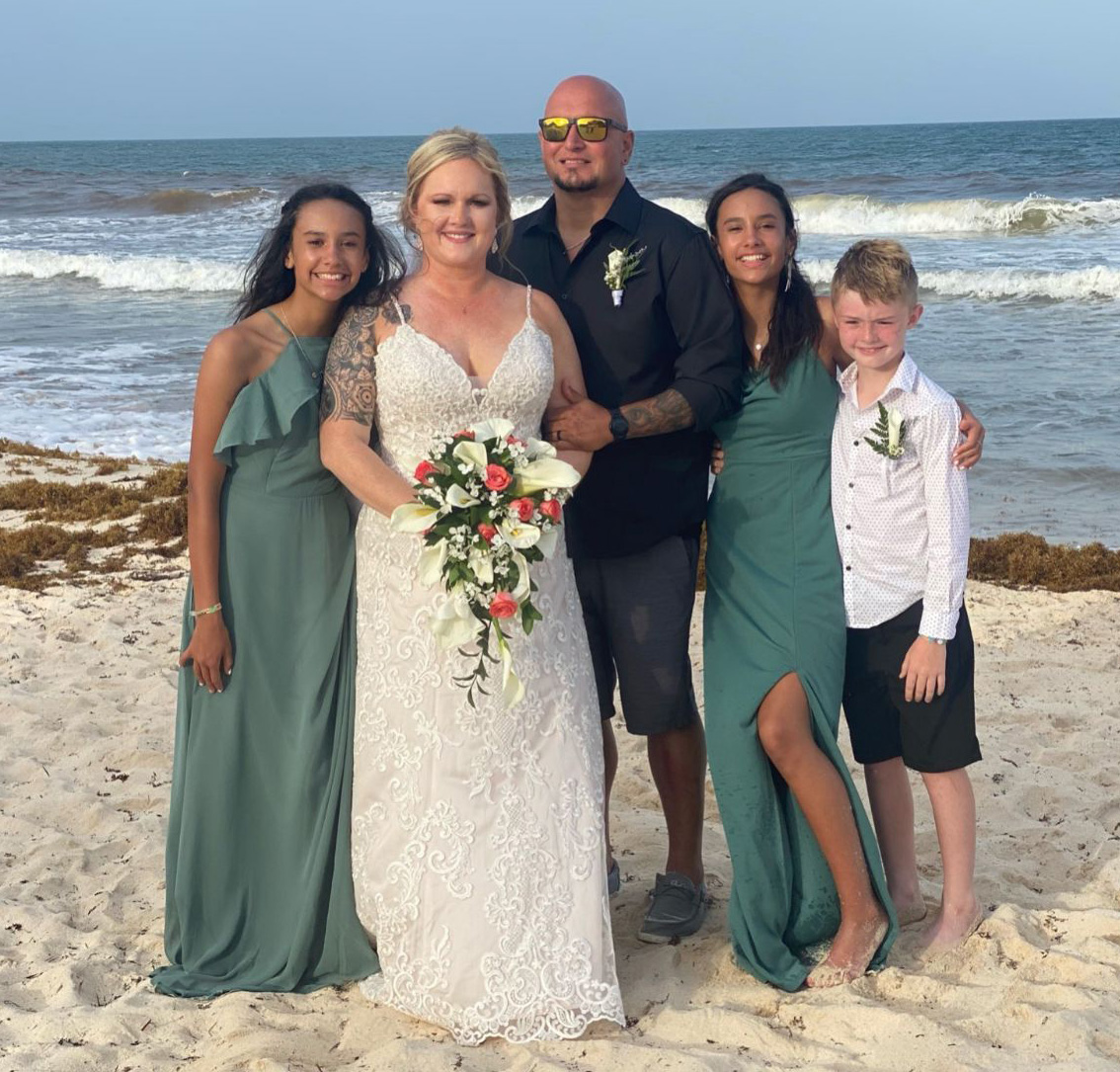
Matt and his family
For Matt, a cornea transplant meant the difference between fading vision and a world brought back into focus. Matt’s journey began unexpectedly after a seemingly minor ear infection ruptured as he slept. As he wiped his pillowcase, discharge from his ruptured eardrum, mixed with dirt beneath his contact, led to a rare fungal infection, causing severe vision impairment.
After initial treatment from his primary ophthalmologist, Matt was referred to Dr. Kenneth Goins at the University of Kansas Health System. “I learned about Saving Sight and a little about what could happen, and we talked about possibly looking for a donor,” Matt said. Tests revealed the fungal infection in his eye was progressing rapidly, and Dr. Goins informed him he’d need a cornea transplant to preserve any hope of sight. “They were concerned I could lose 100% of my eyesight, and I needed a transplant ASAP,” Matt recalled. Despite the challenges, he stayed focused on the possibility of regaining his sight.
Matt’s experience with transplants started years before his cornea surgery when he received a life-saving kidney transplant from a living donor. That experience helped shape his understanding of the power of eye, organ, and tissue donation, but it wasn’t until he faced potential blindness that he fully appreciated how vital even the smallest parts of the body can be.
“I didn’t know how much a single tissue could impact someone’s life until I was faced with losing my sight,” Matt said. “It’s incredible that two people have now given me this chance to live fully.”
For Matt, the cornea transplant stands as a reminder of the selflessness of donors and the profound difference their gifts make. Gratitude filled Matt’s heart as he spoke of the donor who made this possible.
“I am forever grateful,” Matt said. “Someone selflessly gave me the gift of sight, and it’s overwhelming. What did I do to deserve such love and compassion?”
The impact of his donor’s gift goes beyond Matt’s renewed vision—it’s a testament to human kindness and the power of eye, organ, and tissue donation. To those unfamiliar with the impact of donation, Matt has a simple message:
“You might be able to save someone’s life or change their world just by checking that box on your license,” Matt said. “It’s a chance to help someone in a way that goes far beyond what we can understand.”
As he continues to recover and adjust to his new vision, Matt hopes to honor his donor’s legacy by sharing his story and encouraging others to become registered donors.
Jan 18, 2024 | Recipient Stories
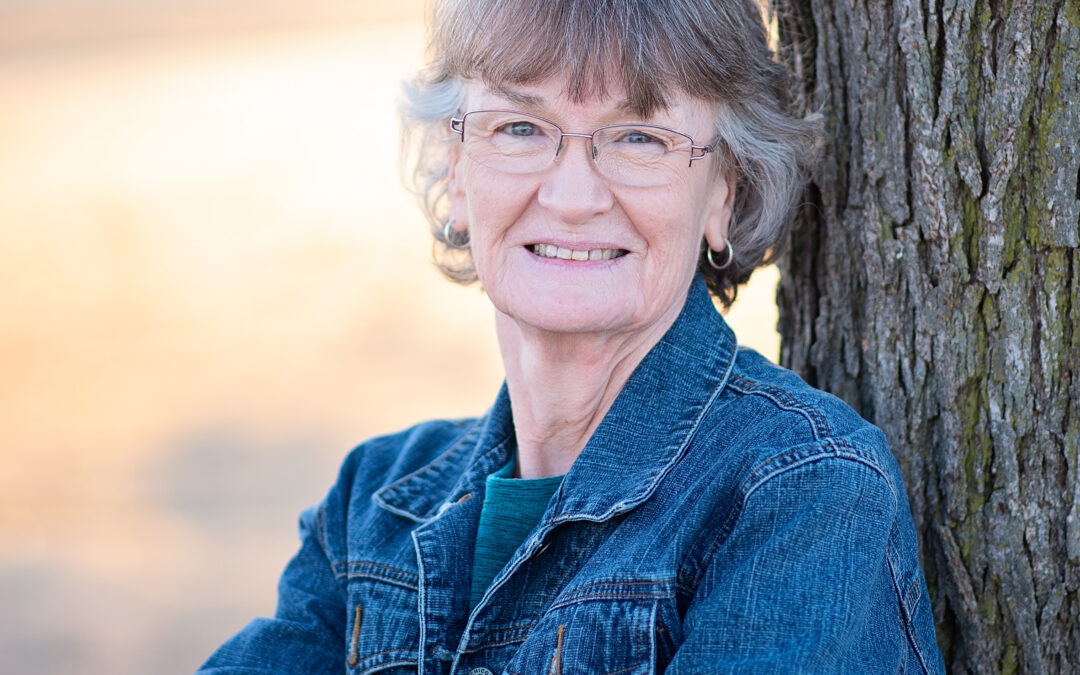
Kathy’s journey to restored sight began after her cataract surgery in the fall of 2023. The procedure that she expected would improve her vision did not deliver the results that she was expecting and led to the discovery of underlying vision issues.
“After my cataract surgery, everyone kept asking me, have you seen the bright lights? Have you seen the bright colors? And I was like…no,” Kathy recounted.
After surgery, swelling persisted in her cornea, and her physician, Dr. Ketcherside, explained that she had Fuchs corneal dystrophy. Fuchs dystrophy is a disease that affects the innermost layer of cells in the cornea. Oftentimes, it is not diagnosed until later in life, and many patients require a cornea transplant to restore clear vision. For Kathy, the answer to restored sight would be the gift of cornea donation and transplantation from two eye donors.
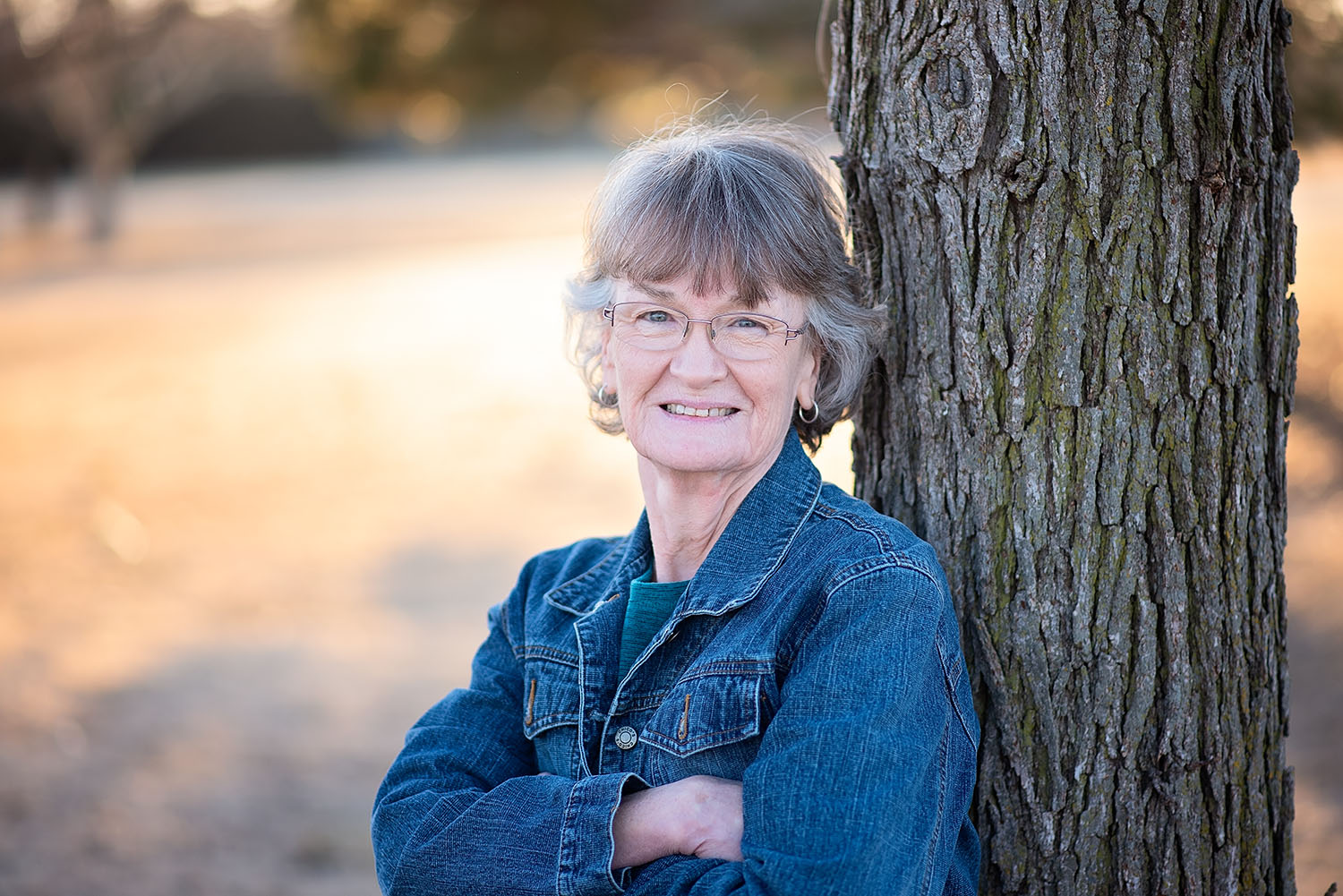
Kathy is so grateful for the gift of restored sight from her donors.
While Kathy was anxious about the surgery, Dr. Ketcherside explained the procedure, reassuring her that it was safe and generally successful. With a newfound sense of hope, Kathy received her first partial-thickness corneal transplant on her right eye in October and a second of the same type of transplant on her left eye in November. In a partial-thickness transplant, only a thin layer of cells that have stopped working in the recipient’s cornea are replaced with donor tissue. The result for many patients is a less invasive procedure, and quicker healing time.
When the stitches came out from her first transplant, Kathy experienced a remarkable change while watching television.
“All of a sudden, the black and whites were just brighter on the show we were watching on television,” said Kathy. “The other eye was more like looking through a light sepia color.”
Since receiving her transplants, Kathy has resumed hobbies like quilting and enjoys more daily independence. Before her surgeries, Kathy would rely on her husband, Steve, to read small print and drive. Now, she and Steve are back to some of their favorite time together, watching the night sky.
“My husband and I like to watch meteors,” said Kathy. “I was having trouble pinpointing the smaller stars and planets. After the transplant, we saw a big meteor at the same time, and it was a ‘woah’ moment.”
Kathy is grateful for the gifts of sight that her donors have given to her.
“It’s just been a miracle,” remarked Kathy. “It’s just opened up a whole new world.”
Nov 1, 2023 | Recipient Stories
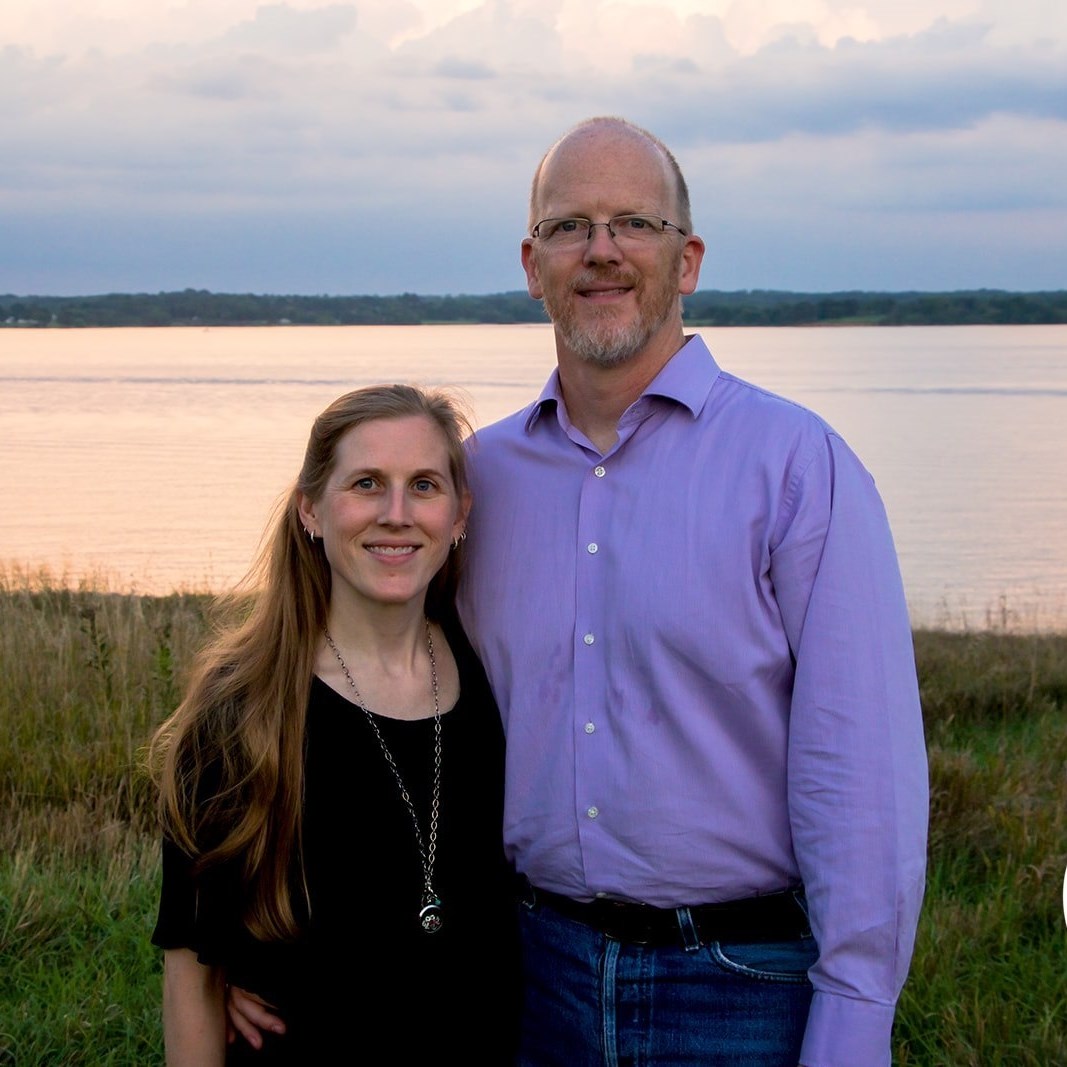
Scott pictured with his wife
Scott’s journey to restored vision began on a farm in central Kansas when he was 19. After unloading grain from storage bins, Scott noticed that his left eye had swollen shut. Scott eventually found his way to Dr. Bruce Grene in Wichita, Kansas where he was treated for bacterial infections, which offered some improvements. Shortly after that Scott was diagnosed with Acanthamoeba Keratitis, a rare infection of the eye. After the infection was treated Scott received his first cornea transplant. The surgery went smoothly, and Scott regained his vision, which remained stable for the next 20 years. Scott was on a tennis scholarship when he received his first cornea transplant, and he said, “The experience of going from playing sports to facing the uncertainty of vision loss had been nothing short of a rollercoaster ride.” Scott was able to see 20/20 uncorrected out of his left eye for nearly 20 years and for a few years after, his vision was corrected by glasses. Since the transplant, many of his optometrists have enjoyed the opportunity to work with his unique circumstances.
Life took an unexpected turn when Scott was involved in a car accident in January of 2023 that resulted in damage to the cornea, lens, and iris of his left eye. This accident led to an emergency cornea transplant performed by Dr. Farhat and his team in Kansas City. Scott praised the expertise of both Dr. Bruce Grene in Wichita and Dr. Farhat in Kansas City, highlighting the crucial roles they played in his journey to sight restoration, many years apart.
Scott’s story not only underscores the enduring human spirit but also the importance of organ, eye, and tissue donation. Scott emphasized the significance of having tissues readily available, contrasting the past when waiting was the norm and he expressed gratitude for the advances in medical science that allow him and countless others to see again.
“I have been the lucky one to have lost vision to both disease and trauma. I have also been fortunate enough to have had it restored via a transplant, and the prognosis is good that we will soon have it returned as I continue to heal from my second,” says Scott. Scott’s story highlights the impact of organ and tissue donation on saving lives and providing hope to individuals facing vision loss. As his journey continues, Scott remains an inspiring example of resilience.